
What Causes People to Fall
Falls rarely have a single cause. They usually happen when something going on inside the body meets a hazard in the environment — a moment of dizziness plus a loose rug, or weak legs plus a poorly lit staircase. Understanding both sides is the first step in fall prevention at home.
Health and body-related causes
- Muscle weakness and poor balance, especially in the legs and core, which make it harder to catch yourself.
- Vision changes such as cataracts, glaucoma, or simply an outdated eyeglass prescription.
- Chronic conditions like Parkinson’s disease, stroke, arthritis, diabetes, and low blood pressure that affect strength, sensation, and steadiness.
- Medication side effects — dizziness, drowsiness, or a drop in blood pressure — and taking several medications at once.
- Dehydration, poor nutrition, and low vitamin D or calcium, which weaken bones and reduce energy.
- Foot problems, pain, or unsafe footwear such as loose slippers and socks with no grip.
- Cognitive changes and dementia, which can lead to unsafe wandering, especially in the late afternoon and evening.
Home and environmental causes
- Clutter, boxes, and electrical cords in walking paths.
- Loose throw rugs and mats that slide or curl at the edges.
- Poor or uneven lighting, particularly on stairs and at night.
- Wet or freshly mopped floors and slippery bathroom surfaces.
- Missing grab bars, handrails, or stair treads.
- Reaching or climbing for items stored too high or too low.
Home Safety Tips
Before rearranging a single piece of furniture, these everyday habits do a great deal to keep older adults on their feet. Think of them as the daily foundation of fall prevention.
- Stay active. Regular walking and gentle balance and strength exercises — such as tai chi or a physical-therapy program — are among the most effective ways to prevent falls.
- Review medications once a year with a doctor or pharmacist, watching for anything that causes dizziness or drowsiness.
- Get vision and hearing checked yearly, and keep eyeglass prescriptions up to date.
- Wear supportive, non-slip shoes indoors and out — not socks or floppy slippers alone.
- Stand up slowly from a bed or chair to avoid the head rush that comes from a sudden blood-pressure drop.
- Keep a phone or a medical alert device within arm’s reach, day and night.
- Stay hydrated and eat well to support strength, balance, and bone health.
- Keep everyday items within easy reach so there is no need to climb or bend far.
- Wipe up spills the moment they happen.
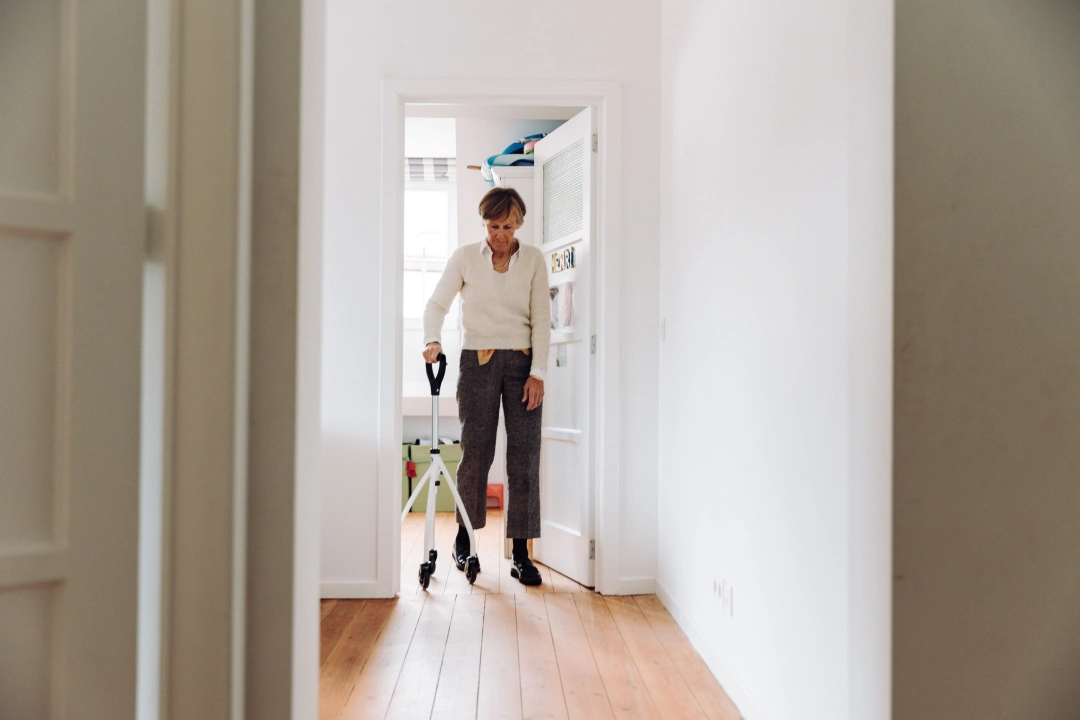
- Use canes, walkers, and other assistive devices exactly as prescribed, and keep them nearby — not across the room.
How to Prevent Falls
A reliable fall-prevention plan follows five clear steps. Working through them in order turns a vague worry into a concrete, manageable checklist.
- Assess the risk. Note any recent falls, near-falls, or unsteadiness, and walk through the home looking for hazards. A professional home safety assessment — like the free, nurse-led review Comfi-Kare offers — catches risks families often miss.
- Address the health factors. Schedule a doctor’s visit to review medications, check vision and hearing, and start a simple strength and balance routine.
- Modify the home. Make the room-by-room changes outlined below, starting with the bathroom and stairs.
- Build safe routines. Light the path to the bathroom at night, avoid rushing to answer the phone or door, and never carry loads that block the view of the floor.
- Add support. Regular family check-ins and trained caregivers provide an extra set of eyes and hands — and RN oversight ensures the plan adapts as needs change.
Home Safety Modifications
Modifying the home is where fall prevention becomes real. You don’t need a full renovation — most of the highest-impact changes are inexpensive and can be done in an afternoon. Go room by room, and start with the areas where falls are most likely.
Floors, Stairways, and Hallways
- Clear walking paths of clutter, cords, and low furniture, and route electrical cords along walls.
- Remove loose throw rugs, or secure them with double-sided tape or non-slip backing.
- Repair uneven flooring, loose floorboards, and raised thresholds between rooms.
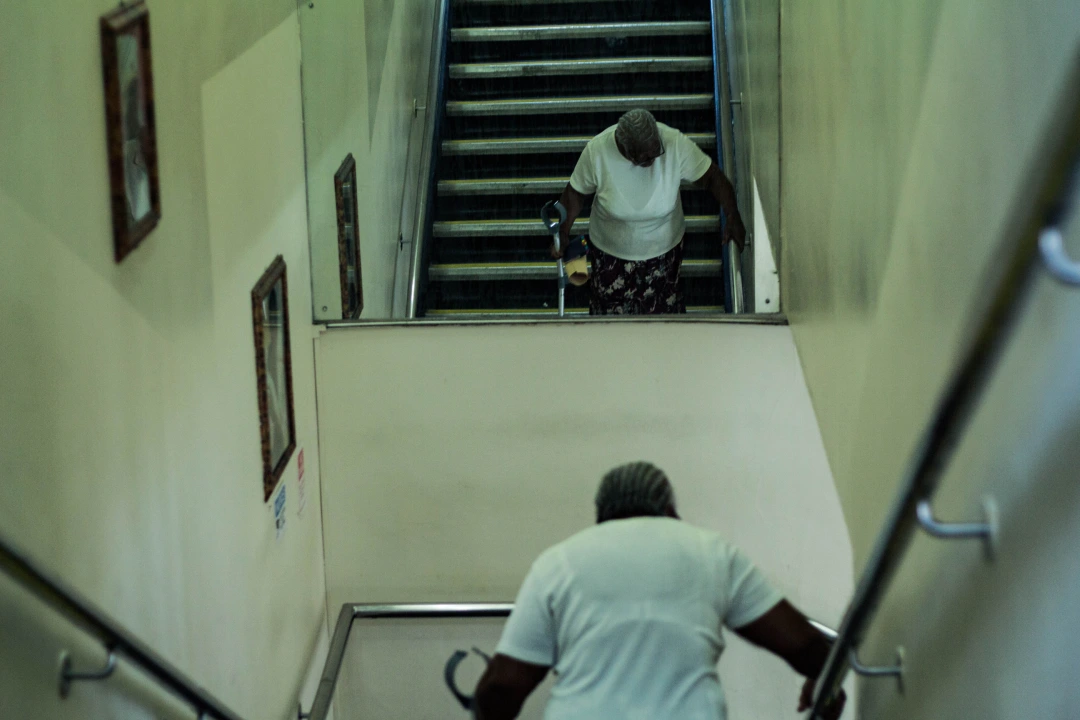
- Install sturdy handrails on both sides of every staircase, running the full length of the stairs.
- Add non-slip treads and high-contrast tape on stair edges so each step is easy to see.
- Keep stairs and hallways brightly lit, with light switches at the top and bottom of stairs and night lights along the path.
Bathrooms
The bathroom is the single most dangerous room in the house for falls because of hard surfaces, water, and the movements involved in bathing and toileting.
- Install grab bars beside the toilet and inside and outside the tub or shower — never rely on towel bars, which are not built to hold weight.
- Place non-slip mats or adhesive strips in the tub and shower and a non-slip rug on the floor.
- Add a shower chair or bench and a handheld showerhead so bathing can be done seated.
- Use a raised toilet seat to make sitting and standing easier.
- Keep a night light on so nighttime trips are never made in the dark.
Bedrooms
- Place a lamp or light switch within reach of the bed so no one crosses a dark room.
- Use motion-activated night lights to light the path from bed to bathroom.
- Set the bed at a height that makes getting in and out easy — feet flat on the floor when seated on the edge.
- Keep a clear path from the bed to the door, free of shoes, baskets, and cords.
- Keep a phone or medical alert device on the nightstand.
Kitchen
- Store everyday dishes, food, and utensils on reachable shelves between waist and shoulder height to avoid climbing or bending.
- Clean spills and drips immediately, and place a non-slip mat in front of the sink.
- Keep a long-handled reacher or grabber tool handy for items just out of reach.
- If a step stool is truly necessary, use a sturdy one with a handrail — never a chair.
- Make sure counters and the stove area are well lit.
Outdoor Spaces
- Repair cracked or uneven walkways, driveways, and porch steps.
- Install handrails along all outdoor steps and entryways.
- Add bright exterior lighting at doors, steps, and along paths.
- Keep walkways clear of leaves, and stay ahead of ice and snow in Maryland winters with salt or sand on hand.
- Use non-slip surfaces on ramps and porches, and keep the house number well lit for emergency responders.
Other Living Areas
- Arrange furniture to leave wide, clear walkways through every room.
- Choose chairs and sofas with armrests that make it easy to push up from a seated position.
- Avoid low, deep, or wheeled furniture that is hard to rise from or that rolls away.
- Keep lamp and phone cords tucked against walls, out of walking paths.
- Make sure every seating area has good lighting and an easy-to-reach switch or lamp.
What to Do If You Fall at Home
Even with the best precautions, falls can still happen. Knowing what to do in the moments afterward can prevent a bad situation from becoming worse.
- Stay calm and don’t rush. Take a few slow breaths and give yourself a moment before trying to move.
- Check for injury. Notice any pain, bleeding, or the feeling that something is broken before you attempt to get up.
If you are hurt or can’t get up:
- Call for help using a phone or medical alert device, or knock or call out to reach someone nearby.
- Stay warm by pulling a blanket, towel, or coat over yourself, and try to move to a carpeted area if you can do so safely.
If you are not hurt:
- Roll onto your side, then push up onto your hands and knees.
- Crawl to a sturdy chair or piece of furniture, place your hands on the seat, and bring one foot forward.
- Slowly rise, turn, and sit down. Rest before doing anything else.
Tell your doctor about every fall, even a minor one with no injury — a fall can be an early sign of a treatable health problem. Call 911 right away for a head injury, severe pain, heavy bleeding, a suspected broken bone, or if the person takes blood thinners.
Where to Get Help
Preventing falls is easier and less stressful with professional support. Comfi-Kare Home Care is a nurse-led, non-medical home care agency based in Rockville, Maryland, founded by registered nurse Magna Johnston-Bucknor (MSN, CMSRN, CSA). Every care plan begins with a free, nurse-led home safety assessment that includes a room-by-room fall-risk review, and every caregiver is trained through our White Glove Caregiver Program in mobility support, fall prevention, and dignity-first personal care.
Our caregivers help seniors stay safely at home by supporting daily movement, keeping walking paths clear, assisting with bathing and transfers, encouraging strength and balance activities, and alerting families the moment something looks off — all under ongoing RN oversight. For seniors who cannot be left alone safely, around-the-clock 24-hour care provides continuous supervision, and respite care gives family caregivers a safe break.
Comfi-Kare serves families across Montgomery County (Rockville, Bethesda, Potomac, Gaithersburg, Germantown, Silver Spring, Olney), Howard County (Columbia, Ellicott City), Frederick County, and Carroll County (Westminster). To create a safer home for someone you love, reach out today.
Related Comfi-Kare services
- Personal Care — hands-on help with bathing, dressing, and mobility, the daily activities that carry the highest fall risk.
- 24-Hour Home Care — continuous coverage for seniors who cannot be left alone, day or night.
- Parkinson’s Care — specialized support for freezing of gait, postural instability, and fall-prone movement.
- Stroke Recovery Care — safe transfers and mobility support for one-sided weakness.
- Dementia & Memory Care — wandering prevention and dignity-first support that lowers fall risk.
- Hospice Care — trusted relief so exhausted family caregivers can rest and recharge.
Schedule a free, nurse-led home safety assessment. Call Comfi-Kare at (240) 716-6183.